Can Dental Implants Cause Bad Breath? Causes & Solutions
Can dental implants cause bad breath? Melatec Dental Clinic explains common causes, warning signs, and how to keep your implants clean and healthy.
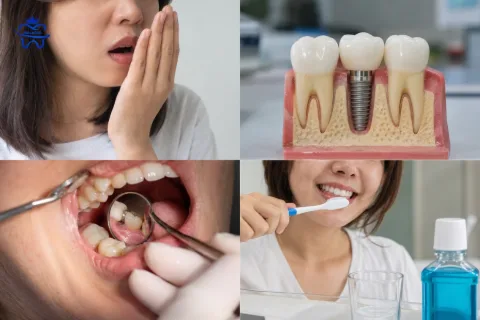
Can dental implants cause bad breath? Dental implants do not normally cause bad breath on their own. However, bacteria, poor oral hygiene, and inflammation around the implant can lead to unpleasant odors.
If you notice persistent bad breath after implant treatment, it is important to understand the underlying cause rather than assume the implant itself is responsible.
In this article, the dental team at Melatec Dental Clinic explains why bad breath may develop after dental implant placement and how to prevent or manage it.
Do Dental Implants Cause Bad Breath?
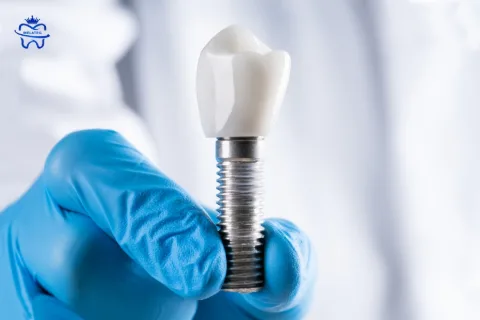
No, a properly maintained dental implant does not normally cause bad breath. Implant fixtures commonly use titanium, a biocompatible material that does not produce unpleasant odors under normal oral conditions.
Nevertheless, the tissues surrounding dental implants can develop inflammation when bacterial plaque accumulates.
According to the European Federation of Periodontology (EFP), bad breath or an unpleasant taste may indicate peri-implant disease, particularly when accompanied by swollen or bleeding gums.
Persistent bad breath therefore requires a dental examination to identify its cause.

Why Does Bad Breath Occur After Dental Implant Surgery?
Several factors can contribute to unpleasant breath following implant treatment.
Poor Oral Hygiene
When plaque and food debris accumulate around an implant crown, bacteria can produce unpleasant odors.
Cleaning around implant restorations is particularly important because some areas between the crown and gum tissue may be difficult to reach.
Without proper hygiene, bacterial buildup can lead to inflammation around the implant.
Peri-implant Mucositis and Peri-implantitis
Inflammation around dental implants is another concern.
Peri-implant mucositis affects the gum tissue surrounding the implant without progressive supporting bone loss.
Peri-implantitis involves inflammation accompanied by progressive bone loss around the implant.
Both conditions require professional attention.
The American Academy of Periodontology (AAP) explains that bacteria can accumulate around implants and damage surrounding tissues when inflammation persists.
Warning signs may include bleeding gums, swelling, a bad taste, or persistent bad breath.
Food Trapped Around the Implant Crown
An implant crown that is difficult to clean may allow food particles to accumulate around its edges or between neighboring teeth.
Over time, trapped food and bacterial plaque can contribute to unpleasant breath and gum inflammation.
Your dentist can examine the crown's shape, contact points, and surrounding gum tissue to determine whether the restoration needs adjustment.
Other Oral and Medical Conditions
Not every case of bad breath comes from a dental implant.
Gum disease around natural teeth, tongue coating, dry mouth, tonsil stones, and certain foods can also contribute to halitosis.
According to Cleveland Clinic, gastroesophageal reflux disease (GERD) may also contribute to unpleasant breath in some patients.
Identifying the source of the odor is essential before choosing treatment.
How to Prevent Bad Breath After Dental Implants
Maintaining healthy gums and controlling bacterial plaque are essential for long-term implant care.
To reduce the risk of bad breath, follow these recommendations.
- Brush twice daily: Use a soft-bristled toothbrush and fluoride toothpaste to clean your natural teeth and implant crowns.
- Clean between teeth: Use interdental brushes, dental floss, or other cleaning tools recommended by your dentist.
- Keep your tongue clean: Gently remove tongue coating as part of your daily oral hygiene routine.
- Stay hydrated: Drinking sufficient water helps reduce dry mouth, which can contribute to unpleasant breath.
- Avoid smoking: Tobacco use increases the risk of oral inflammation and peri-implant complications.
Attend regular dental checkups: Professional examinations help detect plaque buildup, gum inflammation, and changes around your implants.
Avoid using antibacterial mouthwash continuously without professional guidance. Your dentist may recommend a specific product when clinically appropriate.
What Should You Do If Your Implant Causes Bad Breath?
If bad breath continues despite proper oral hygiene, schedule a dental examination.
Your dentist may need to check the following.
- Plaque and food accumulation around the implant crown.
- Gum inflammation, bleeding, or swelling.
- The fit and accessibility of the implant restoration.
- Signs of peri-implantitis or other oral infections.
Treatment depends on the underlying cause. Your dentist may recommend professional cleaning, improved hygiene techniques, or adjustments to the restoration.
More advanced peri-implant disease may require additional periodontal treatment.
Seek prompt dental care if you notice pus, increasing swelling, severe pain, or implant mobility.
Conclusion
Can dental implants cause bad breath? Dental implants themselves do not normally produce unpleasant odors. Bad breath after implant treatment is more commonly associated with bacterial plaque, poor oral hygiene, peri-implant inflammation, or other oral health conditions.
Maintaining good oral hygiene and attending regular dental appointments can help protect your implants and surrounding gums.
If you are experiencing bad breath after dental implant treatment or are considering dental implants in Vietnam, contact Melatec Dental Clinic to arrange a consultation and discuss your concerns.
Medical Disclaimer: This article provides general educational information and does not replace professional dental advice, diagnosis, or treatment. A qualified dentist must examine your oral health to determine the cause of persistent bad breath and recommend appropriate care.
Planning treatment in Vietnam?
Tell us what you need and our team will prepare a free treatment plan.
Get a free plan WhatsApp us